
Last reviewed: October 12, 2026. Facts and figures are based on the sources listed at the end of this article.
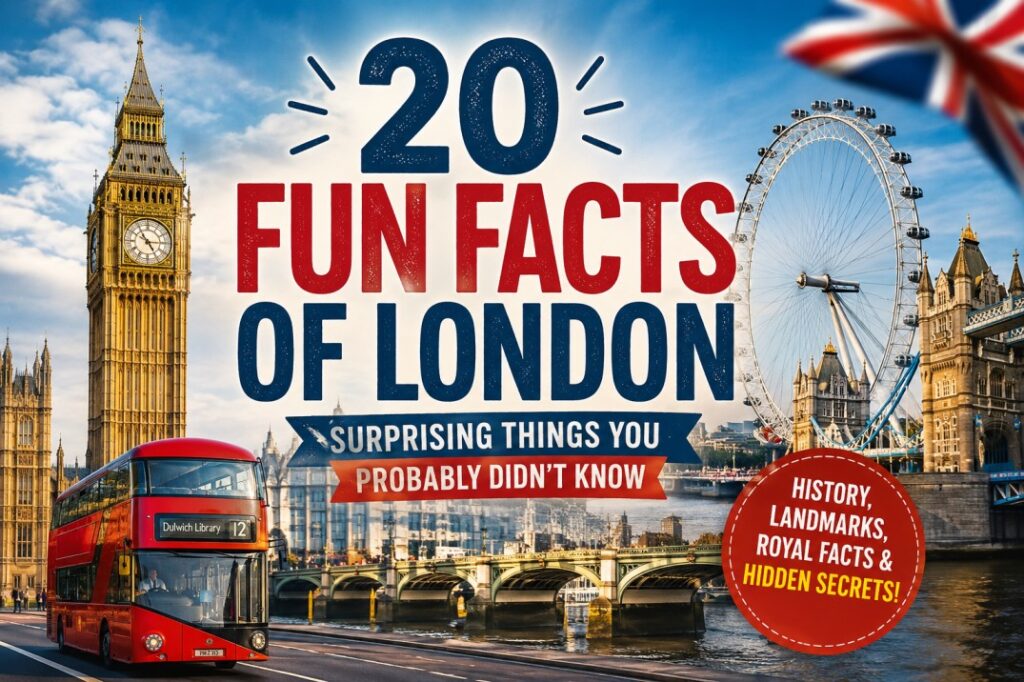
Fun facts of London reveal a city where nearly 2,000 years of history meet world-famous landmarks, royal traditions and remarkable innovation. From its beginnings as a Roman settlement to its status as one of the world’s most visited capitals, London is packed with stories that continue to surprise both visitors and locals.
Beyond Big Ben, Buckingham Palace and Tower Bridge lies a city filled with hidden rivers, ancient customs, record-breaking achievements and fascinating historical events. Every neighbourhood has its own character, while centuries-old buildings stand alongside modern skyscrapers such as The Shard. This blend of heritage and progress makes London one of the most captivating destinations in the world.
In this guide you will find 20 facts about London, England, including famous landmarks, royal history, quirky traditions and lesser-known stories, with links to the sources we used. Each fact explains not only what happened, but also why it remains significant today. Whether you are planning a trip, researching British history or simply enjoy learning something new, these facts will help you see the capital from a fresh perspective.
What Are Some Fun Facts About London?
If you’re looking for quick fun facts about London, here are five of the most surprising:
- London was founded by the Romans around AD 47 as Londinium.
- Big Ben is the Great Bell, not the famous clock tower.
- The London Underground, opened in 1863, is the world’s oldest underground railway.
- More than 300 languages are spoken across London.
- The Tower of London once housed a royal collection of exotic animals.
Historic Fun Facts About London
London’s history stretches back almost two millennia. These fascinating facts show how the city evolved into one of the world’s most influential capitals.
1. London Began as a Roman Trading Settlement

The Romans founded London around AD 47 and named the settlement Londinium. Built beside the River Thames, it quickly became an important centre for trade, government and transport in Roman Britain. Archaeologists continue to uncover Roman roads, mosaics and sections of the original city wall beneath modern buildings. This remarkable history explains why London is one of Europe’s oldest continuously occupied capitals and remains a treasure trove for historians and visitors alike.
Did You Know?
Parts of the original Roman Wall can still be seen near Tower Hill and the City of London.
2. The Great Fire of London Rebuilt the City

In September 1666, a fire that started in a bakery on Pudding Lane destroyed much of medieval London. The Great Fire of London destroyed more than 13,000 houses and numerous churches, including the old St Paul’s Cathedral (see Wikipedia). Although the disaster caused widespread destruction, it also transformed London by encouraging wider streets, improved building regulations and the use of brick instead of timber.
3. The City of London Is Only One Square Mile

Many visitors assume the City of London refers to the entire capital, but it actually serves as the historic financial district known as the Square Mile. Covering just over one square mile (about 2.9 km²), it has its own ancient governing authority, the City of London Corporation, which predates Parliament itself. Meanwhile, Greater London extends far beyond this small area, encompassing 32 additional boroughs and millions of residents.
| City of London | Greater London |
|---|---|
| Historic financial district | Entire metropolitan area |
| About 2.9 km² | About 1,572 km² |
| Population under 10,000 | Population over 8 million |
| Governed by City of London Corporation | Governed by the Greater London Authority |
4. London Has Survived Plague, Fire and War
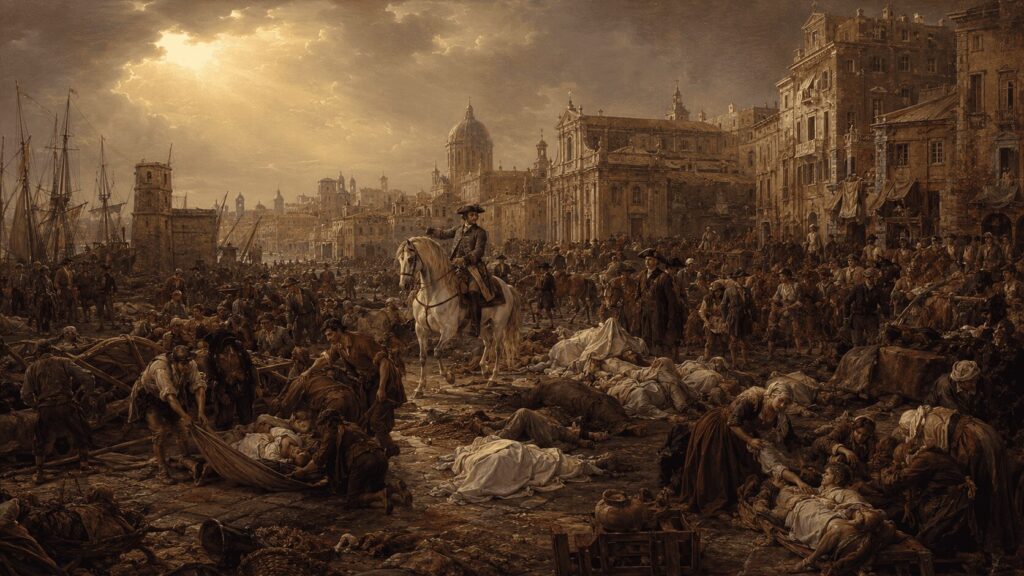
Few cities have endured as many major challenges as London. The capital survived the Black Death in the fourteenth century, the Great Fire of 1666 and the extensive bombing of the Blitz during the Second World War. Despite each catastrophe, London rebuilt and continued to grow. Its resilience has shaped not only the city’s architecture but also its identity as one of the world’s most enduring and influential capitals.
Fun Facts About London’s Famous Landmarks
People around the world recognise London’s landmarks, yet many do not know the remarkable stories behind them.
5. Big Ben Is the Bell, Not the Tower

One of the most common misconceptions is that Big Ben refers to the famous clock tower beside the Palace of Westminster. Many people believe Big Ben is the tower, but the nickname actually refers to the Great Bell. In 2012, officials officially renamed the tower the Elizabeth Tower to mark Queen Elizabeth II’s Diamond Jubilee. The bell weighs more than 13 tonnes and has become one of Britain’s most recognisable symbols. Its famous chimes ring out across the world during major national events.
6. Tower Bridge Is Often Mistaken for London Bridge

The magnificent Victorian bridge with two iconic towers is Tower Bridge, not London Bridge. The current London Bridge, located nearby, has a much simpler design. The City of London sold an earlier version of London Bridge in the 1960s, and workers rebuilt it in Lake Havasu City, Arizona, where it still stands today. This surprising story remains one of the most popular pieces of London trivia among visitors.
7. The Tower of London Once Had a Royal Menagerie

Historical records mention lions, leopards, monkeys, elephants and even a polar bear given to King Henry III by the King of Norway (see Wikipedia: Royal menagerie). According to contemporary accounts, keepers allowed the bear to fish in the River Thames while securing it with a long chain. The Tower of London housed the royal menagerie for centuries before the animals were relocated.
Did You Know?
Today, the Tower of London is best known for safeguarding the priceless Crown Jewels.
8. St Paul’s Cathedral Became a Symbol of Hope

During the Blitz of 1940–41, German bombing caused widespread destruction across London. Despite suffering damage, St Paul’s Cathedral remained standing. A famous wartime photograph showing the cathedral rising above smoke-filled skies became a powerful symbol of Britain’s resilience. Volunteers known as the St Paul’s Watch worked tirelessly to extinguish incendiary bombs before they could ignite the historic building, helping preserve one of London’s greatest architectural landmarks.
9. The Shard Is Britain’s Tallest Building
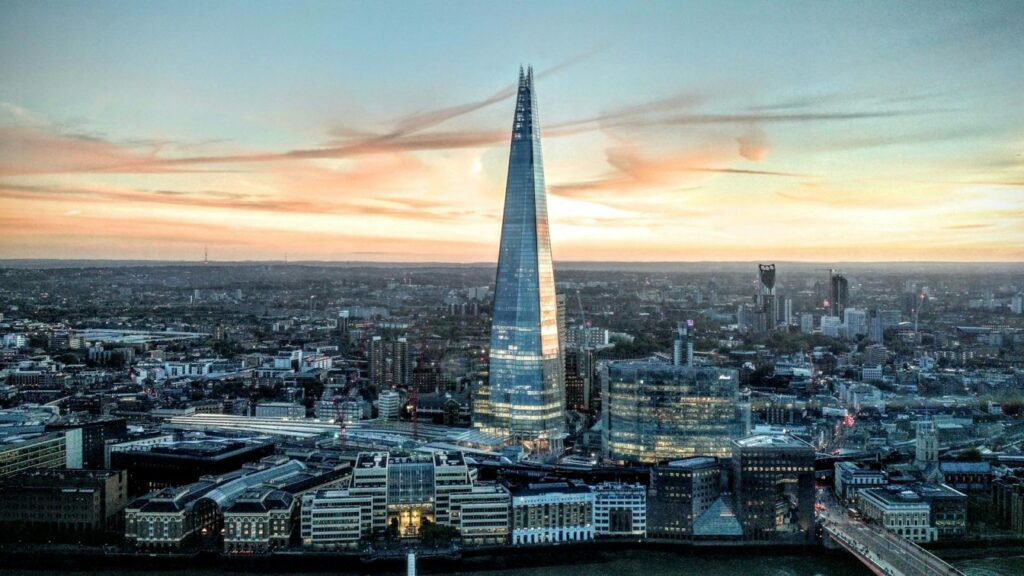
Completed in 2012, The Shard stands at about 310 metres, making it the tallest building in the United Kingdom. Designed by the Italian architect Renzo Piano, its glass exterior was inspired by church spires and the masts of sailing ships that once travelled along the Thames. On a clear day, the views are said to extend for up to about 40 miles.
10. Westminster Abbey Has Crowned Monarchs Since 1066
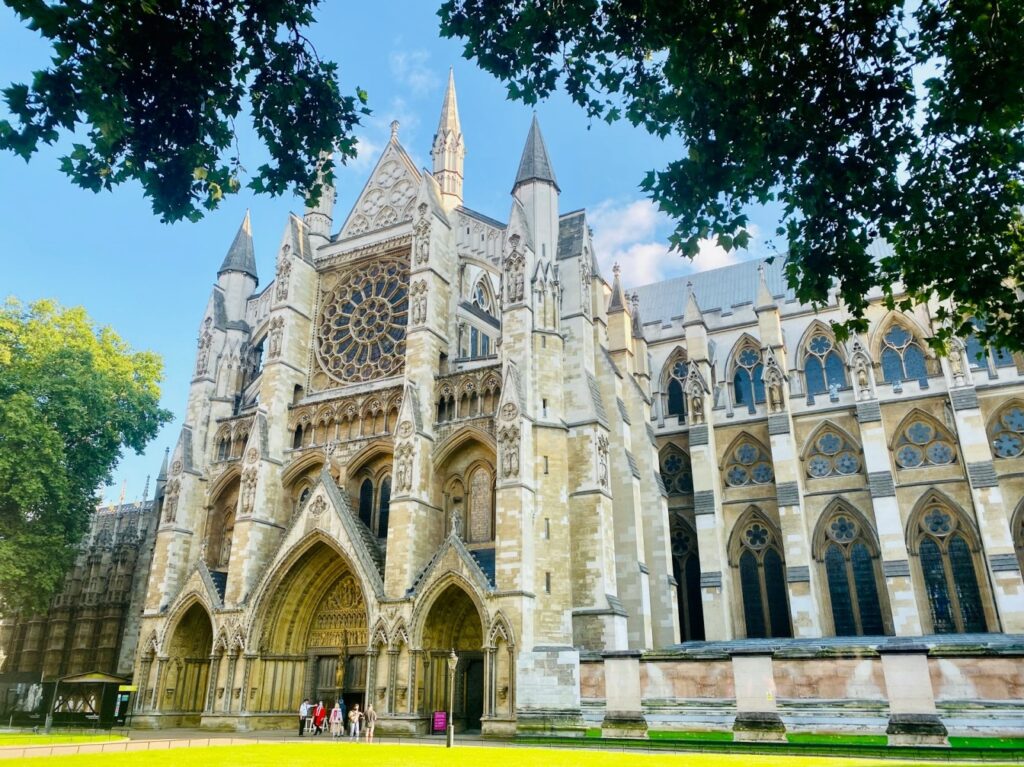
Almost every English and British monarch since William the Conqueror has been crowned in Westminster Abbey. The abbey has also hosted royal weddings, state funerals and the burials of many influential figures, including Sir Isaac Newton and Charles Darwin.
Why These London Facts Still Matter
These first ten fun facts about London reveal how the city’s history, architecture and traditions continue to shape its global reputation. From Roman foundations and medieval rebuilding to iconic landmarks recognised across the world, London’s past is visible at almost every turn. In the next section, we’ll explore fascinating facts about the Royal Family, the River Thames, the London Underground, culture and some of the capital’s most unusual hidden secrets.
Fun Facts of London’s Royal Family
The British monarchy has shaped London’s identity for centuries. Royal traditions, ceremonies and historic residences continue to draw millions of visitors from around the world.
11. Buckingham Palace Has 775 Rooms

Buckingham Palace is the official London residence of the British monarch and one of the city’s most recognisable landmarks. The palace is commonly said to contain 775 rooms (see Wikipedia), including State Rooms, royal bedrooms, staff accommodation and offices. It also serves as the administrative headquarters of the monarchy. During selected periods in summer, parts of the palace are opened to visitors.
12. The King’s Guard Are More Than Tourist Attractions

The soldiers guarding Buckingham Palace are fully trained members of the British Army, not ceremonial performers. Their famous red tunics and bearskin hats are instantly recognisable, but they also carry out genuine security duties. While they are expected to remain disciplined during the Changing of the Guard ceremony, they will react if anyone interferes with their work. This long-standing tradition remains one of London’s most photographed attractions.
13. Ravens at the Tower of London Have Their Own Legend

One of the most famous “did you know” facts about London involves the ravens at the Tower of London. According to legend, if the ravens ever leave the Tower, both the fortress and the kingdom will fall. This story is folklore rather than proven history, but several ravens are always cared for by the Tower’s dedicated Ravenmaster, and the tradition attracts many visitors each year.
Did You Know?
Each raven at the Tower of London has its own name and is carefully monitored by specialist keepers.
Culture and Everyday Facts About London
London is one of the world’s most multicultural cities, blending centuries-old traditions with modern lifestyles.
14. More Than 300 Languages Are Spoken Across London
London is among the world’s most linguistically diverse cities. Researchers estimate that residents speak more than 300 languages, reflecting communities from every continent. Alongside English, languages such as Bengali, Polish, Turkish, Punjabi, Arabic and Mandarin are widely spoken. This diversity influences London’s food, festivals, neighbourhoods and arts, making the capital one of the richest cultural centres in the world.
15. The British Museum Offers Free Entry

The British Museum, founded in 1753, is one of the world’s greatest museums and offers free admission to its permanent collection. Visitors can explore millions of artefacts, including the Rosetta Stone, Egyptian mummies and ancient Greek sculptures.
River Thames and London Underground Facts
The River Thames and London’s transport network have influenced the city’s growth for centuries.
16. The River Thames Is Tidal Through Central London

Many visitors are surprised to learn that the River Thames rises and falls with the tides, even in central London. Water levels change twice daily because tidal influence reaches upstream from the North Sea. This natural phenomenon has shaped London’s bridges, riverside buildings and flood defences, including the impressive Thames Barrier, which protects the capital from exceptionally high tides and storm surges.
17. The London Underground Was the World’s First Metro
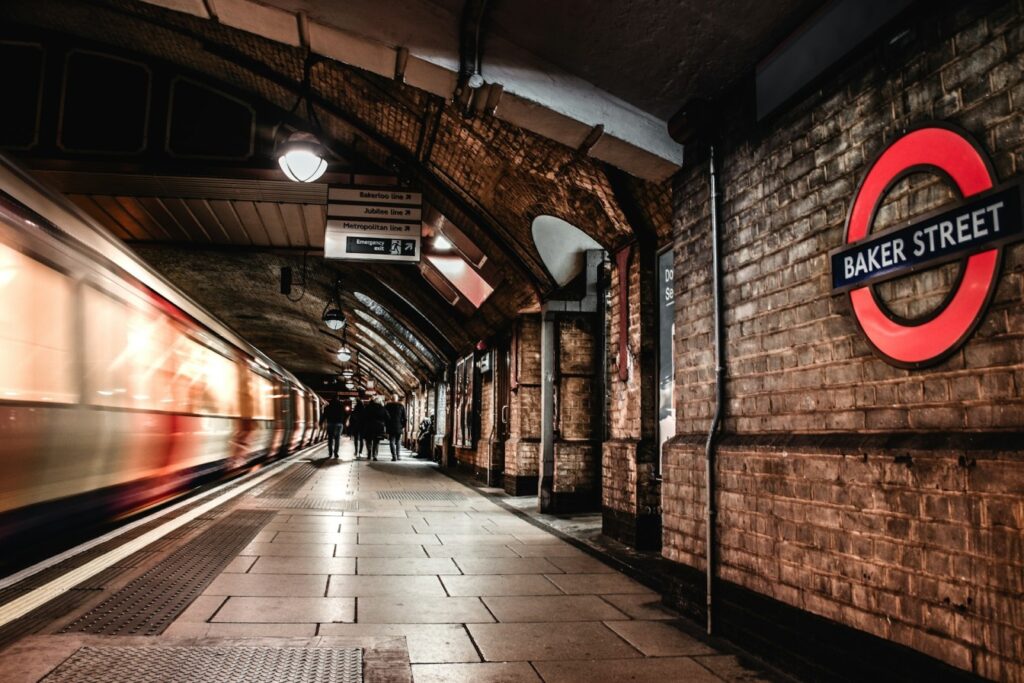
Opened in 1863, the London Underground became the world’s first underground railway system. The earliest trains were powered by steam, with smoke escaping through specially designed ventilation shafts. Today, the Tube serves millions of passengers each day and has inspired metro systems around the globe.
| London Underground Facts | Details |
|---|---|
| Opening year | 1863 |
| Historic achievement | World’s first underground railway |
| Popular nickname | The Tube |
| Operator | Transport for London |
Weird and Unique Fun Facts About London
Some of the most fascinating fun facts of London are hidden beneath its streets or tucked away inside its parks.
18. Hidden Rivers Still Flow Beneath the City
Although the River Thames dominates London’s landscape, dozens of smaller rivers once crossed the city. As London expanded, many were enclosed beneath streets and buildings. Rivers such as the Fleet, Tyburn and Walbrook still flow underground today, helping form part of London’s drainage system. Their hidden routes occasionally appear during archaeological excavations, offering a glimpse into the city’s ancient geography.
19. Hyde Park Was Once a Royal Hunting Ground

Before becoming one of London’s most popular public parks, Hyde Park was owned by King Henry VIII and used as a royal hunting ground. It was later opened to the public by Charles I in the seventeenth century. Today, the park is famous for boating on the Serpentine, outdoor concerts, cycling routes and Speakers’ Corner, where public debate has flourished for generations.
20. Nearly Half of London Is Green Space

Despite its bustling reputation, around 47% of Greater London is classified as green space, according to a Greater London Authority scoping paper (see the link below), including parks, gardens, woodlands and nature reserves. The figure depends on how green space is defined, and newer studies may use different numbers. Famous locations such as Hyde Park, Richmond Park, Regent’s Park and Hampstead Heath provide peaceful escapes from city life while supporting wildlife and biodiversity.
Frequently Asked Questions
1. What is the most interesting fact about London?
One of the most interesting facts is that London began as the Roman settlement of Londinium around AD 47. Nearly 2,000 years later, many modern streets still follow Roman routes, showing how the city’s ancient foundations continue to shape modern London.
2. Why is Big Ben famous?
Big Ben is famous for its distinctive chimes and its association with the Palace of Westminster. However, Big Ben is actually the Great Bell inside the Elizabeth Tower, not the tower itself.
3. What is London’s oldest attraction?
The Tower of London, founded by William the Conqueror in the eleventh century, is one of London’s oldest surviving landmarks. It has served as a royal palace, fortress, prison and treasury throughout its history.
4. Why is the River Thames important?
The River Thames helped London develop into a major trading city during Roman times and continues to play an important role in transport, tourism and flood management today.
5. How old is London?
London’s recorded history dates back to around AD 47, when the Romans established Londinium. Archaeological evidence shows people lived in the surrounding area long before then.
6. Is London bigger than New York?
Greater London covers a larger land area than New York City, although New York has a higher population density. Both cities rank among the world’s leading financial and cultural centres.
7. Why is the London Underground called the Tube?
The nickname comes from the circular shape of many of the deep-level tunnels, which resemble large tubes running beneath the city.
8. What makes London unique?
London combines nearly 2,000 years of history with world-famous landmarks, multicultural communities, royal traditions, renowned museums and extensive green spaces, making it one of the world’s most distinctive capitals.
Conclusion
These fun facts of London demonstrate why the British capital continues to captivate millions of people every year. From its Roman origins and royal traditions to the world’s first underground railway and hidden rivers beneath the streets, London is a city where history and modern life exist side by side. Every landmark tells a story, and every neighbourhood offers something different to discover.
Whether you are visiting iconic attractions such as Big Ben, the Tower of London, Buckingham Palace or the British Museum, or exploring quieter parks and historic streets, there is always another fascinating chapter waiting to be uncovered. Hopefully, these interesting fun facts of London have inspired you to look beyond the obvious and appreciate the city’s remarkable heritage, culture and innovation.
Sources
- Wikipedia: Ancient Roman defensive walls
- Wikipedia: Great Fire of London
- Wikipedia: Black Death
- Wikipedia: The Blitz
- Wikipedia: The Shard
- Wikipedia: Westminster Abbey
- Wikipedia: Buckingham Palace
- Wikipedia: Royal menagerie
- Wikipedia: Crown Jewels of the United Kingdom
- Wikipedia: British Museum
- Wikipedia: London Underground
- London.gov.uk: languages spoken in London
- Greater London Authority: green spaces scoping paper (PDF)
- Greater London Authority